Winter Boat Storage Tips
Boat owners have to store their vessels during the winter season, and it is important that you prepare for this in advance so that you can protect

10+ Tips on storing your boat f ...
After a long summer of boating fun, it’s time to store away your vessel for the colder months ahead. Unlike your c ...

Repairs and Maintenance for Inf ...
The popularity of and demand for inflatable boats has drastically increased over the past few years. New methods of production

How To Clean Your Inflatable Boat
Like any other boat, inflatable boats need proper care and maintenance in order to function at their best and last a long time.

Handy Tools to Have on Your Boat
A basic toolkit for your boat. Use this list for the basics.

Tide Knowledge for Boaters
What do you need to know about tides in Nanaimo. At Nanaimo boatyard we are always happy to share our knowledge and experience of boating

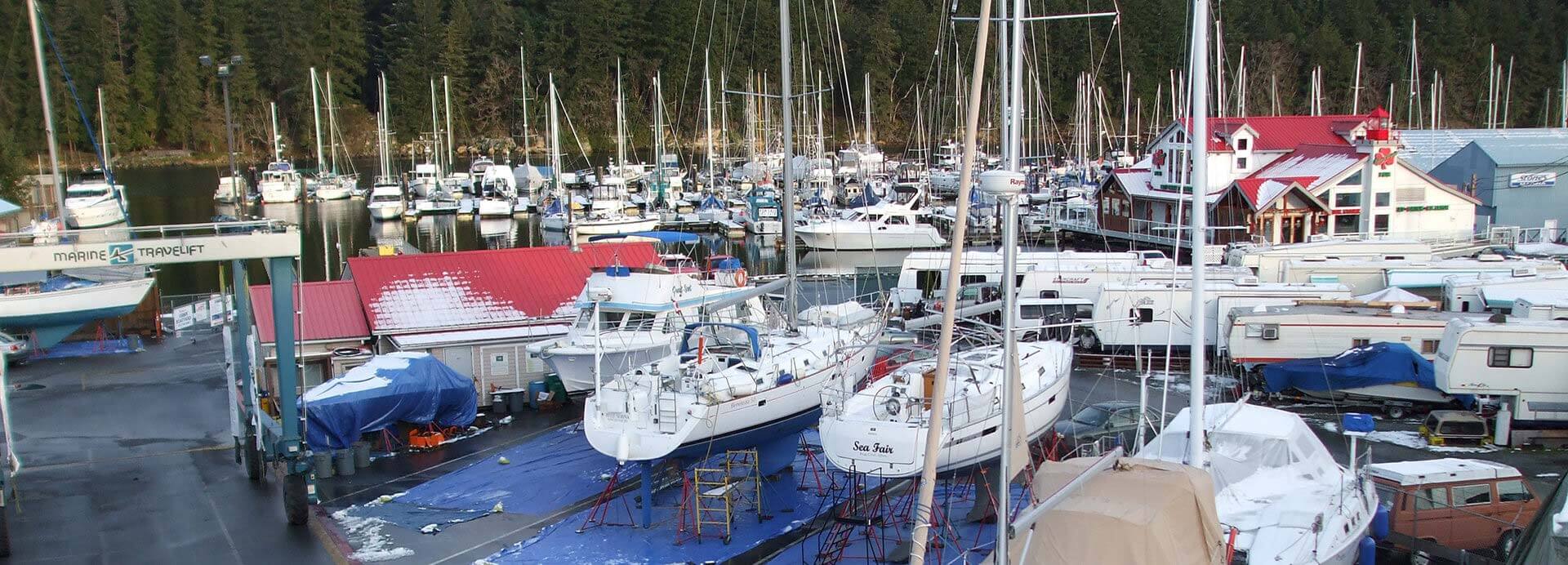
Boat Storage in Nanaimo, Vancou ...
To help boats, yachts, or any kind of water vessel last long, it is imperative that every owner know the best practices in storage

How to prepare your boat for ha ...
Even if you’re lucky enough to keep your boat somewhere you can sail all year round, you will still want to have your boat hauled out

Downloadable Tide Tables
Attention Boaters! The Canadian Hydrographic Service and the Department of Fisheries and Oceans are no longer printing the following charts: Chart 1: Symbols

Top Tips for How to Clean a Boat
Part of owning a boat is maintaining it and something that costs very little, but can make a real difference to how much you enjoy using the boat

How to get the most out of boat ...
People buy rather than hire their own boats for a plethora of reasons, but one of the more popular reasons is the ability to be able

Guide to Boating During the Co ...
BE PREPARED TO SELF-RESCUE
Before leaving the dock ensure your craft is well serviced and maintained. Don’t put Search and Rescue at risk.

Boat Maintenance Tips 2
I'm writing this in the summer so all these boat maintenance tips are selected for fair weather conditions.
Varn ...

Boat Maintenance Tips 1
These are just a few of the questions we are regularly asked about boat maintenance tips....
How do I clean black ...

Outboard Engine Care
Outboard motor maintenance is just another area where a bit of planning makes all the difference. Outboard engines are fairly simple and even if you’re not a mechanic

How to paint a boat bottom R ...
It’s a messy time consuming job which can easily can go wrong if the paint products are applied incorrectly or if the wrong products are used.

Do I need boatyard yacht servic ...
Thinking about doing your own boat plumbing? We stock TruDesign Plumbing components and products from other manufacturers too.

Can you repair your own inflatable?
Guidelines for repairing your inflatables. If you’re concerned about repairing your inflatable then come and talk to us. We’re happy to give advice

DIY Garage Seminar notes now av ...
We made 3 presentations at the 2018 Vancouver Boat Show’s DIY garage seminars. The presentations we have the PowerPoint slides in PDF format with some added photographs,
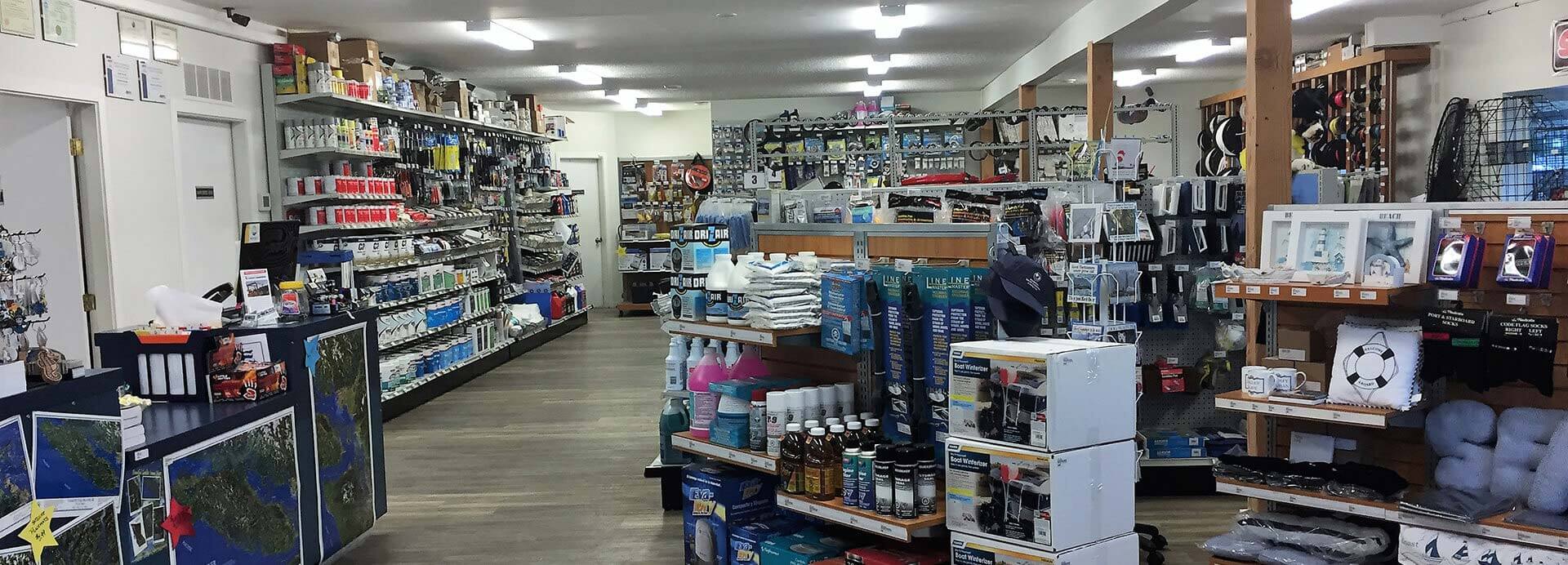
Marine Store – Opening hours
THE MARINE STORE @ STONES BOATYARD – OPENING HOURS:
Spring and Summer: 7 days a week
9 am – 5 pm
From October 1st – April 15th we are open:
9 am- 5 pm Mon- Sat